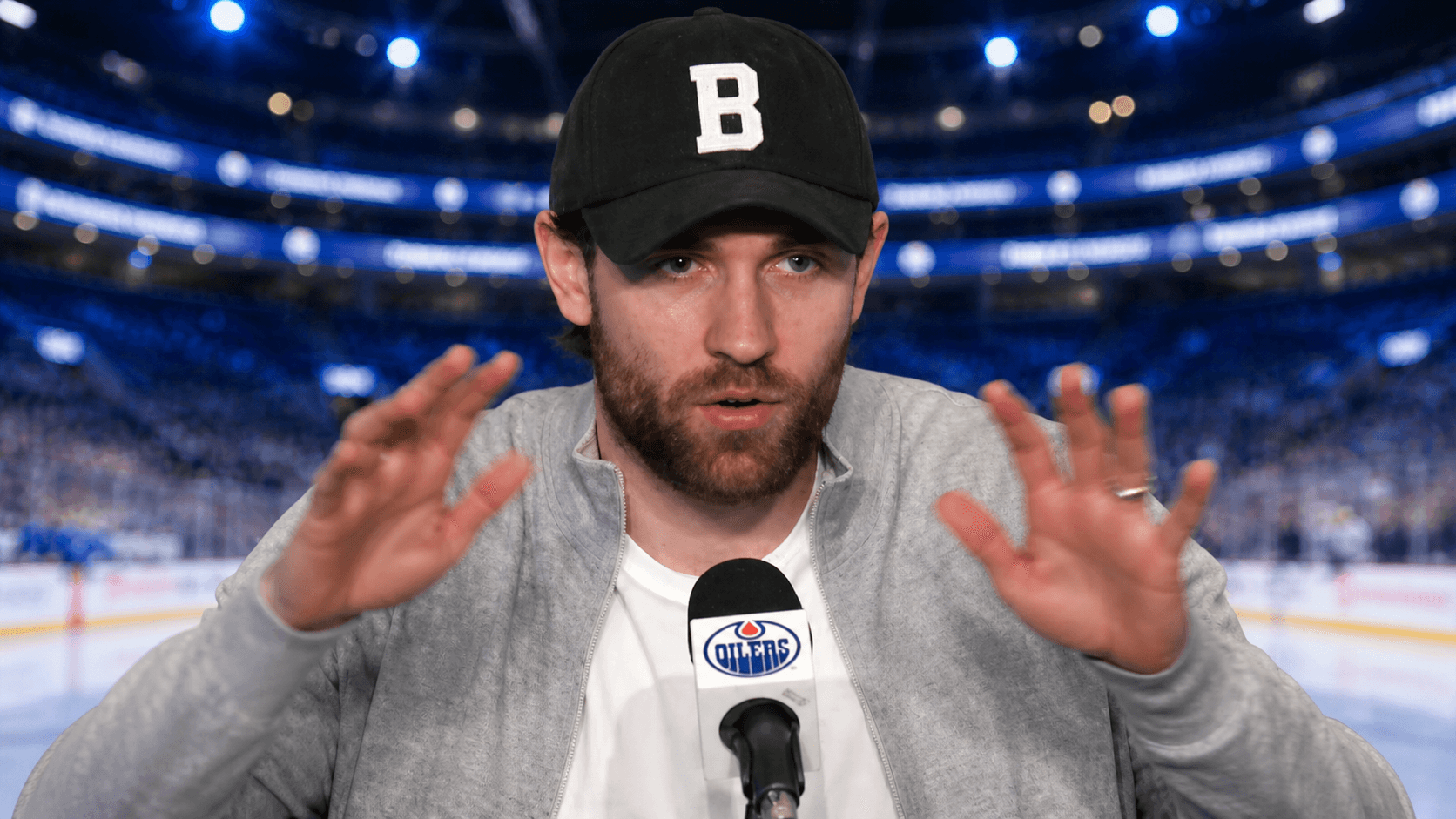
The Edmonton Oilers exited the 2026 NHL playoffs earlier than expected, and the reflection came quickly. Leon Draisaitl pointed back to 2024 as the standard, calling that roster the most complete group Edmonton has iced in recent years.
Days after a 5-2 Game 6 loss to the Anaheim Ducks, Draisaitl addressed a key issue.
“There is no choice but that,” Draisaitl said when asked about shared responsibility. “The best team that we’ve had in 2024, everybody played such a major role in it. That was the best team we’ve had. And everybody was so big.”
That 2024 group pushed to the Stanley Cup Final before falling in Game 7 to the Florida Panthers. It featured strong depth across all positions, with contributions beyond the core stars.
MORE: Connor McDavid says Oilers were ‘too hurt too soon’ after NHL playoff exit
Leon Draisaitl talked about the Oilers’ depth in 2024 and how it defined Edmonton’s 2024 identity
Draisaitl highlighted the difference in structure and balance.
“The McLeods, the Foegeles, all those guys, they played such a massive role in all of it,” Draisaitl said. “Desharnais, Ceci, all those guys. And you need those guys to win. You need those guys to go deep.”
That roster worked because roles were clear and consistent. The Oilers received production from multiple lines and reliable defensive minutes across pairings. Players like Ryan McLeod and Warren Foegele added pace and forecheck pressure, while Vincent Desharnais and Cody Ceci handled defensive stability.
That balance has eroded. Several of those contributors departed after 2024, leaving Edmonton more reliant on its top-end talent. The result is a roster that struggles when games tighten and depth is tested.
Oilers’ 2026 exit exposes structural gaps
The loss to Anaheim reinforced those concerns. Edmonton allowed 41 defensive zone giveaways in the series and failed to control key moments. Injuries to core players made the imbalance more visible.
MORE: ‘You can’t control’: Chris Pronger sends message after Oilers’ controversial OT loss
Draisaitl acknowledged the role of the stars but stressed a broader need.
“I think at the end of the day, Connor, Bouch, maybe myself, when the game’s on the line, we have to make a difference, and day-to-day we have to set the tone and lead in the right way and come up with these big goals and these big moments,” Draisaitl said. “But at the end of the day, it’s not a three-man team. It’s not a four-man team.”
That statement reflects a core issue. The Oilers still rely heavily on Connor McDavid and Draisaitl to drive results, but playoff success demands layered support.
Looking ahead, Draisaitl made the expectation clear. “You need everybody to feel important. You need everybody to want to be important,” Draisaitl said. “And I think that’s something to look forward to next season.”
For Edmonton, the message is direct. Rebuild depth, restore structure, or risk wasting another year of a championship window.